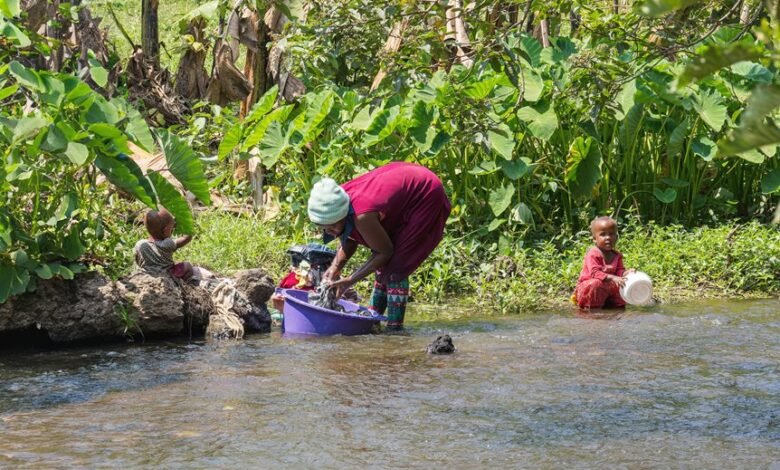
The interaction patterns in Keveshelman reflect a significant shift towards collaboration and diverse communication styles. This evolution fosters a sense of belonging and social cohesion among participants. Collective activities reveal the interplay of cultural influences and shared values, shaping a community identity. However, understanding the underlying factors that drive these trends remains essential. What implications might these changes hold for the future of community engagement?
Understanding Interaction Patterns in Keveshelman
How do interaction patterns manifest in the context of Keveshelman?
In this setting, interaction analysis reveals distinct engagement dynamics among participants. Individuals showcase varied communication styles, influencing their collaborative efforts.
The patterns observed highlight a spectrum of responses, from active participation to passive observation. These dynamics underscore the complexity of relationships and the significance of understanding interaction patterns for fostering meaningful exchanges within the community.
Key Activity Trends and Their Implications
Analyzing key activity trends within Keveshelman reveals significant implications for community dynamics.
Activity analysis indicates a shift towards increased collaboration and participation, fostering a sense of belonging among residents.
These trend implications suggest a potential for enhanced social cohesion, as individuals engage more actively in communal initiatives.
Consequently, this evolution may lead to a more resilient and interconnected community framework, promoting individual freedoms and collective well-being.
Factors Influencing Social Engagement in Keveshelman
The evolving patterns of collaboration and participation in Keveshelman highlight various factors that influence social engagement within the community.
Key elements include social dynamics, which dictate interaction styles, and cultural influences that shape shared values and norms.
These factors interplay, fostering a unique environment that encourages collective activities while simultaneously reflecting individual freedoms and community identity, ultimately enhancing overall social cohesion.
Conclusion
In conclusion, the evolving interaction patterns within Keveshelman illustrate a tapestry woven from diverse cultural threads, each contributing to a richer community fabric. As collaboration flourishes and communication styles diversify, the significance of shared values becomes increasingly evident. This intricate dance of individual expression and collective identity not only strengthens community ties but also enhances resilience, suggesting that fostering these dynamics is essential for the future vitality of Keveshelman. Ultimately, the community thrives when unity embraces diversity.